
How Lighting Affects Your Wedding Photos (And Why It Matters More Than You Think)
When couples first reach out to me for Seattle wedding photography, they often talk about location, style, and timeline, but rarely lighting.
And yet… lighting is everything.
It shapes the mood. It defines your skin tones. It determines whether a moment feels soft and romantic or dramatic and cinematic. It’s the difference between a photo that feels like a memory—and one that feels like art.
If you’re planning a wedding in the Pacific Northwest, where we get everything from golden sunsets to overcast skies to dark winter evenings, understanding lighting can completely transform how your wedding photos turn out.
Let’s break it down in a way that actually helps you plan.
Why Lighting Matters in Wedding Photography
Lighting isn’t just about brightness—it’s about quality, direction, and color.
As a Seattle wedding photographer, my job isn’t to control the light (because let’s be honest… Seattle weather does what it wants). My job is to understand it, adapt to it, and guide you into it in a way that feels natural—not forced.
Good lighting:
Enhances skin tones
Adds depth and dimension
Creates emotion and atmosphere
Minimizes harsh shadows and distractions
Poor lighting:
Creates unflattering shadows
Causes color distortion (hello, orange or green skin tones)
Flattens the image
Distracts from the moment
The goal isn’t perfection—it’s intentionality.
Types of Lighting You’ll Experience on Your Wedding Day
1. Natural Light (The Dream Scenario)
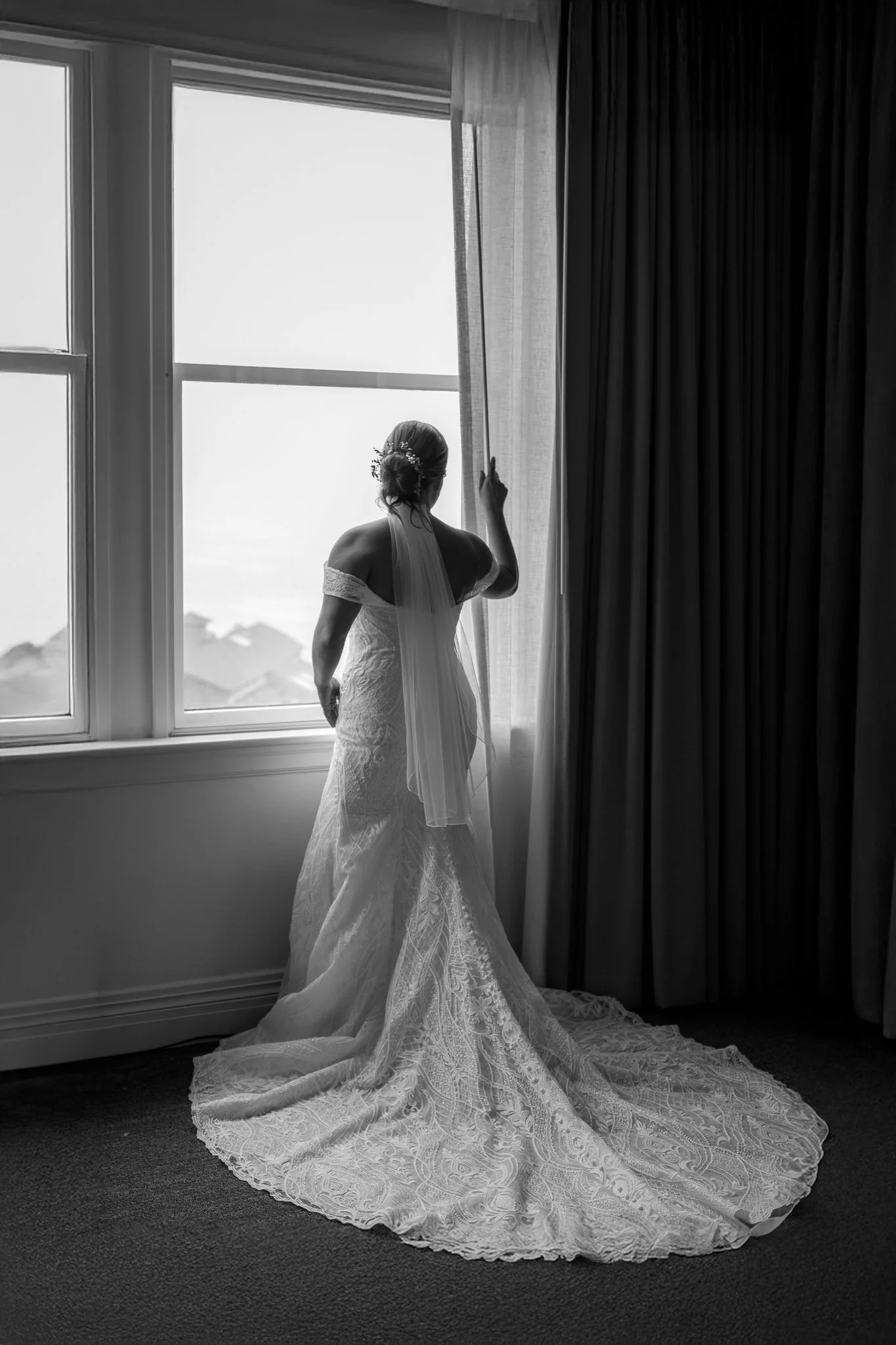
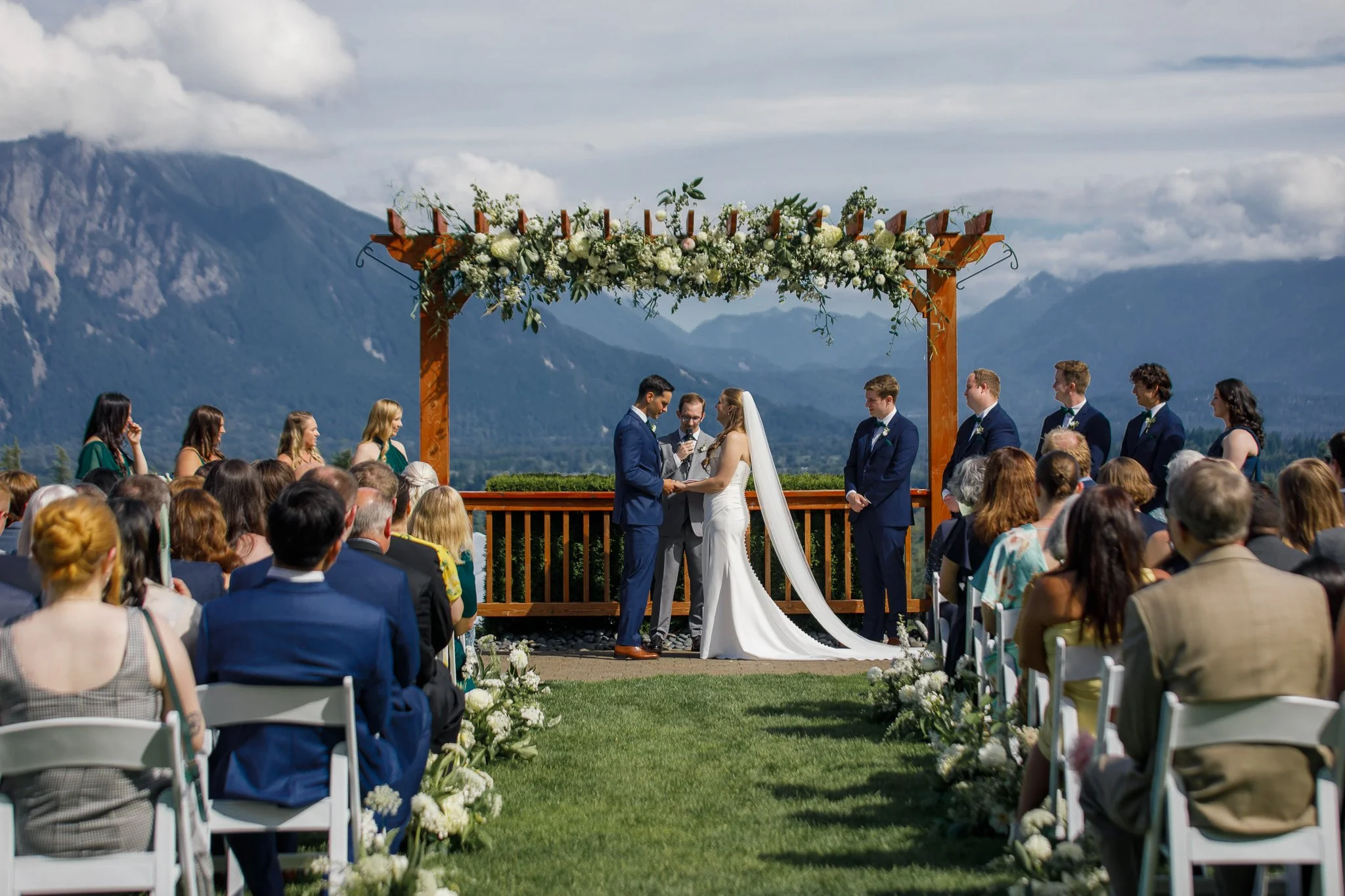
Natural light is what most couples are drawn to—and for good reason.
It’s soft, flattering, and timeless. Especially in the Pacific Northwest, where cloud coverage often acts like a giant natural diffuser.
Think:
Outdoor ceremonies
Window-lit getting ready spaces
Golden hour portraits
Best time for natural light photography:
Early morning
Late afternoon / golden hour
2. Golden Hour (The Magic Window)
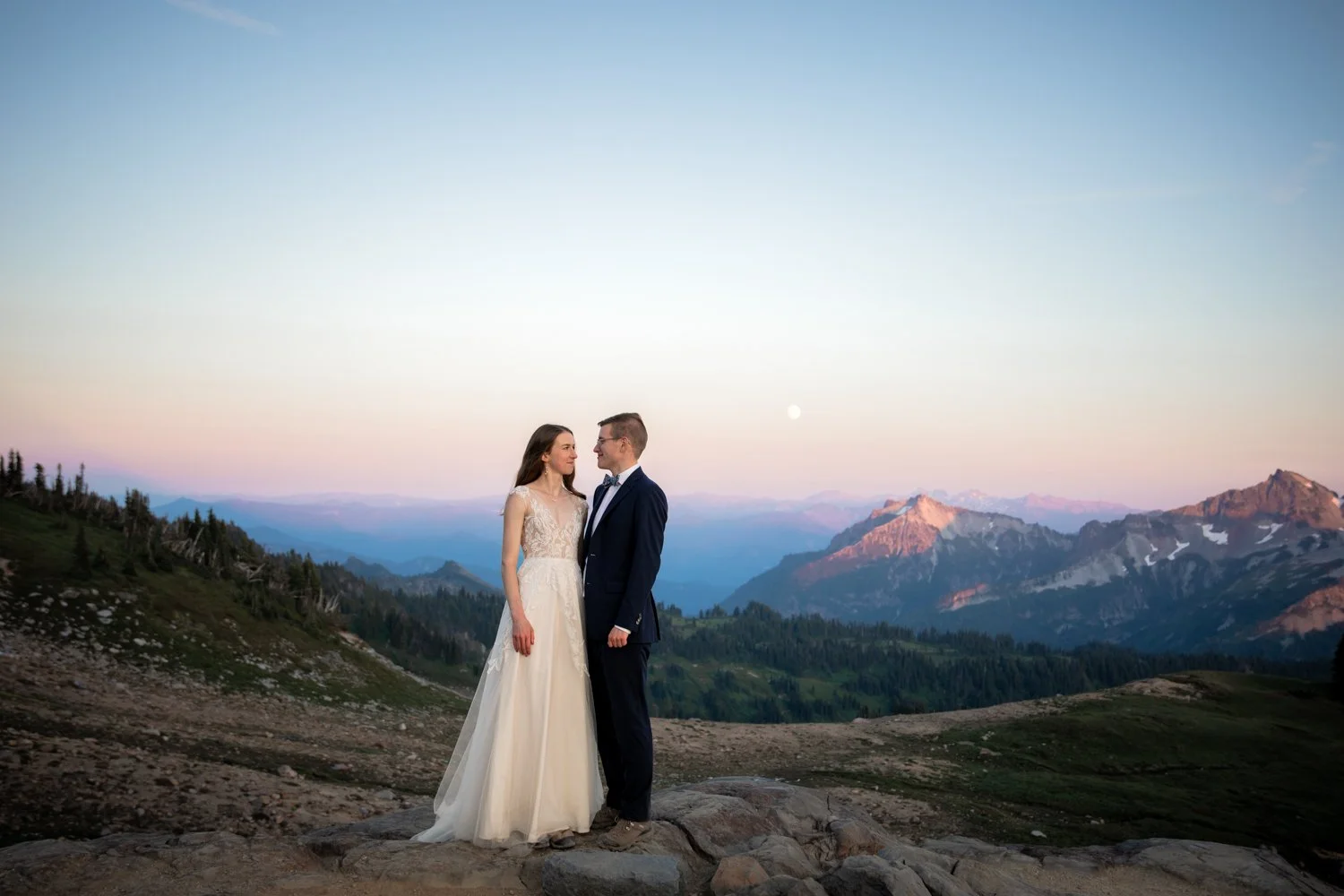
If there’s one thing I gently encourage every couple to make time for—it’s golden hour.
This is the hour before sunset when the light is warm, soft, and glowy. It wraps around you in a way that feels almost unreal.
For Seattle wedding photography, this can be especially stunning in summer months when the light lingers longer.
Golden hour gives you:
Warm skin tones
Soft shadows
A romantic, cinematic feel
3. Overcast Light (Seattle’s Secret Advantage)
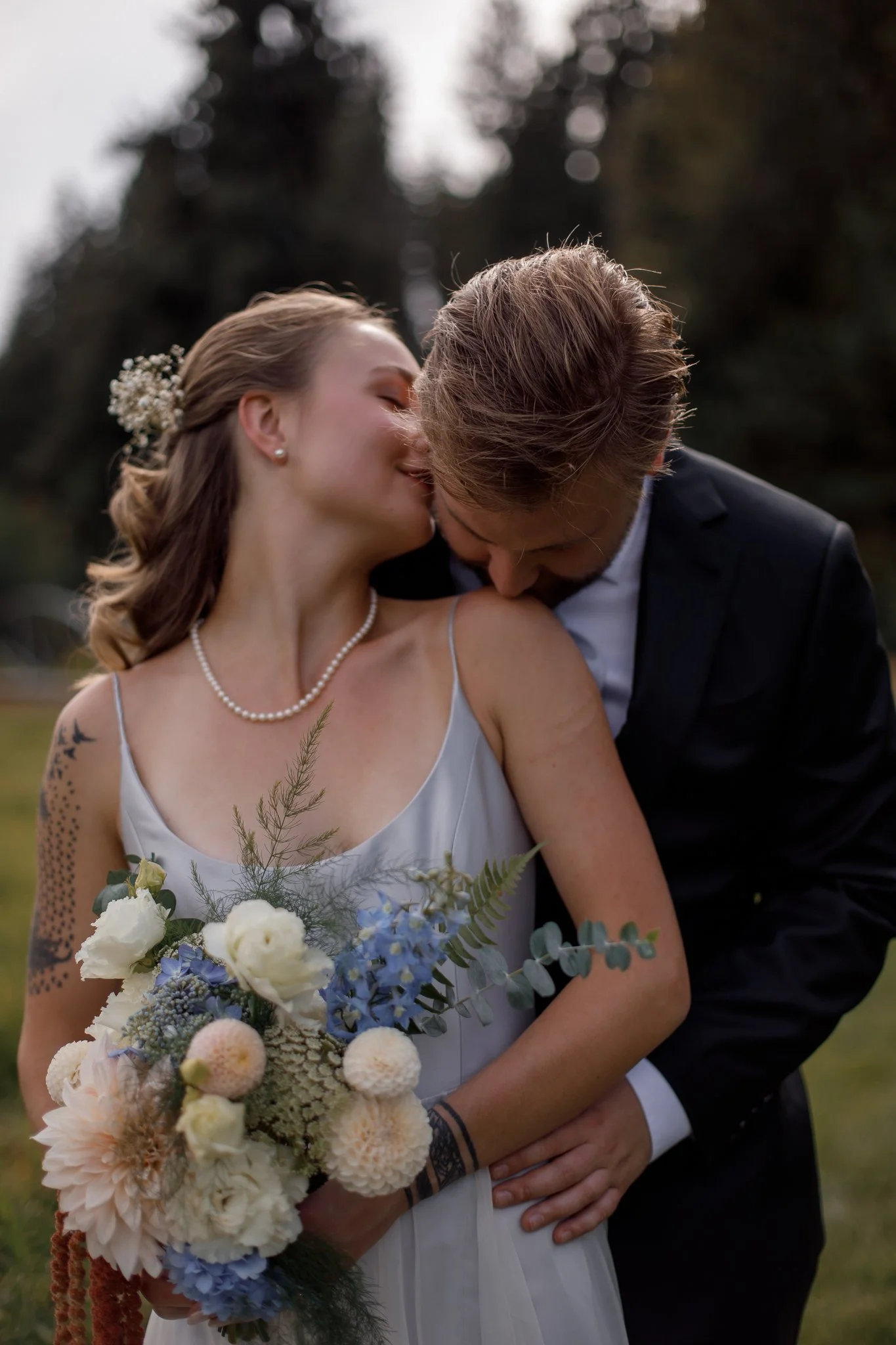
Here’s the thing—overcast skies are actually incredible for photography.
Clouds act like a natural softbox, diffusing light evenly across your face. No harsh shadows. No squinting.
This is why so many Pacific Northwest wedding photographers love shooting here.
Overcast lighting is:
Soft
Even
Flattering for all skin tones
4. Harsh Midday Sun (The Trickiest Light)
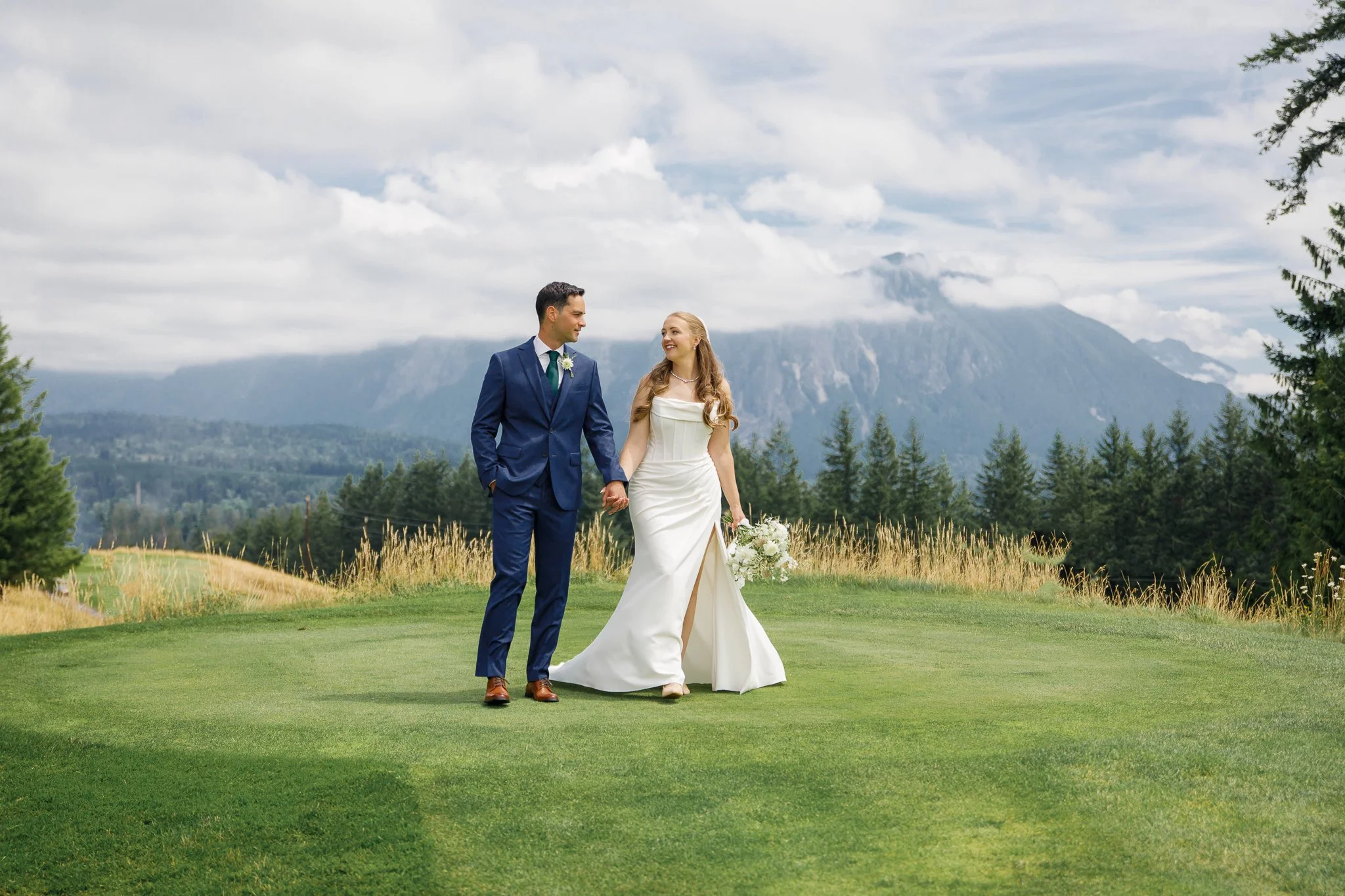
Midday sun (especially between 11am–2pm) can be the most challenging.
It creates:
Strong shadows under eyes
High contrast highlights
Squinting
But it’s not something to fear—it just needs to be handled intentionally.
What I do as your photographer:
Find open shade
Use backlighting
Position you in the most flattering direction
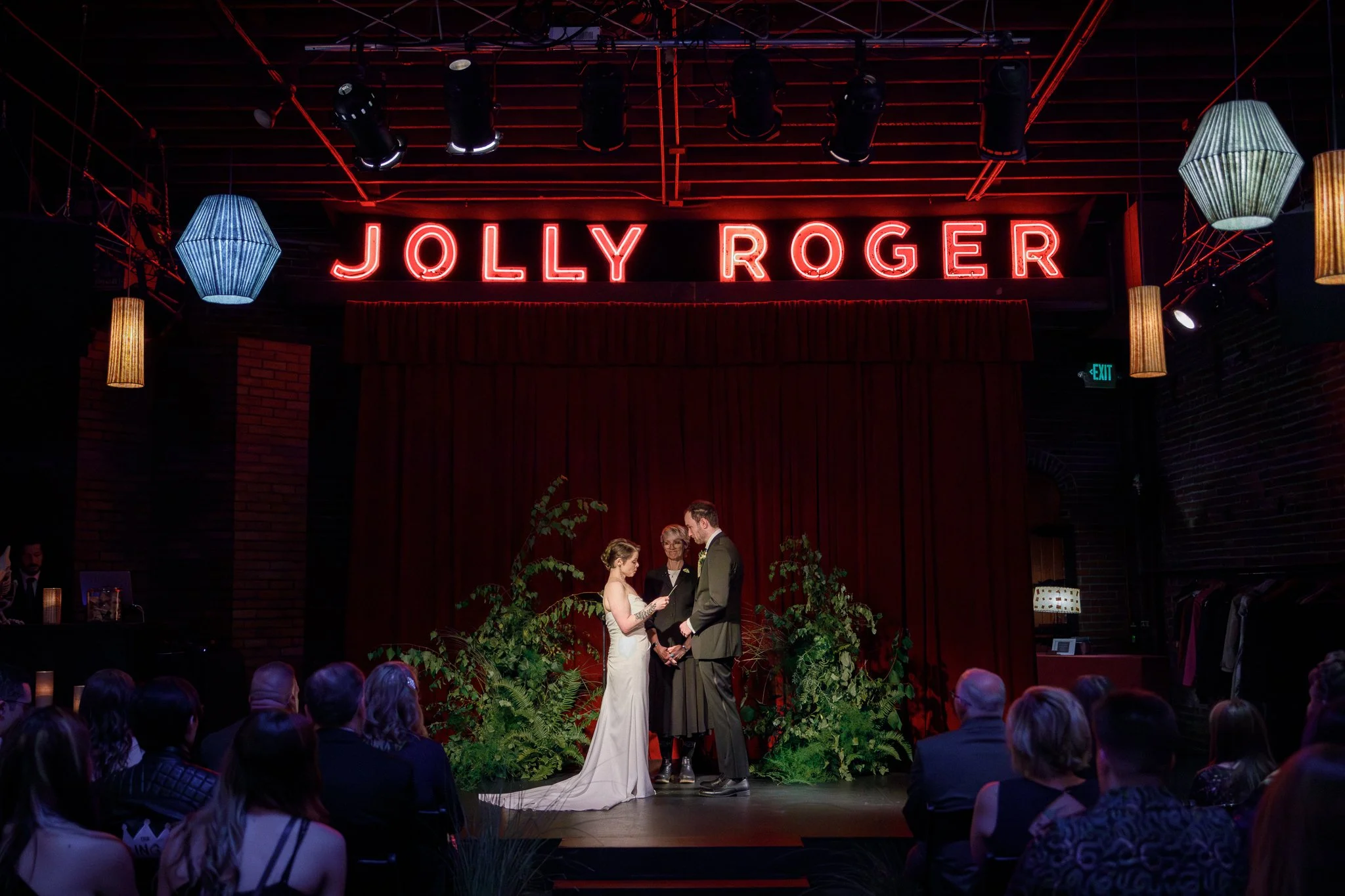
5. Indoor & Artificial Lighting
Indoor lighting can vary a lot depending on your venue.
Common challenges:
Yellow/orange tungsten lighting
Mixed lighting sources (natural + artificial)
Dim reception spaces
This is where experience really matters.
As a Seattle wedding photographer, I balance ambient light with flash in a way that still feels natural—not overly lit or staged.
How Your Timeline Impacts Your Photos
Lighting and timeline are directly connected.
One of the biggest ways to elevate your wedding photos is to plan your timeline around light, not just logistics.
For example:
Ceremony at 12pm → harsh light
Ceremony at 4–6pm → softer, more flattering light
If you’re not sure how to structure your day, I always help guide this as part of the process.
Venue Matters More Than You Think
Your venue plays a huge role in lighting.
Things to consider when choosing a venue in Seattle:
Window placement
Indoor vs outdoor options
Direction of sunset
Tree coverage (for outdoor spaces)
Venues with large windows and neutral tones tend to photograph beautifully.
Dark venues? Still workable—but require more intentional lighting techniques.
Getting Ready Spaces: An Overlooked Detail
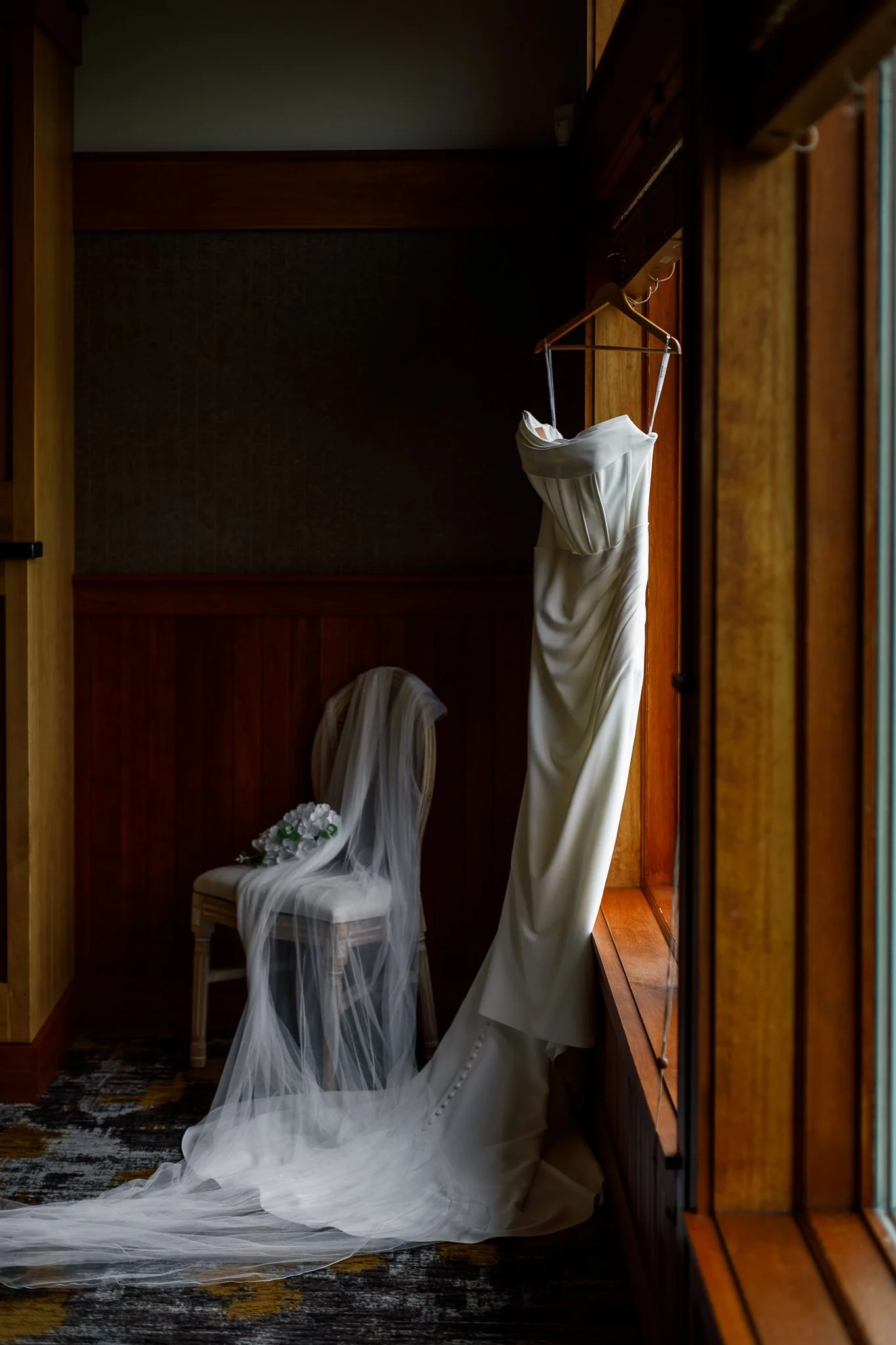
This is one of the most overlooked lighting factors—and one of the most important.
Your getting-ready photos set the tone for your entire gallery.
What to look for:
Large windows
Neutral walls
Minimal clutter
Space to move
Avoid:
Dark hotel rooms
Overhead-only lighting
Mixed lighting sources
Reception Lighting: Where Mood Comes In
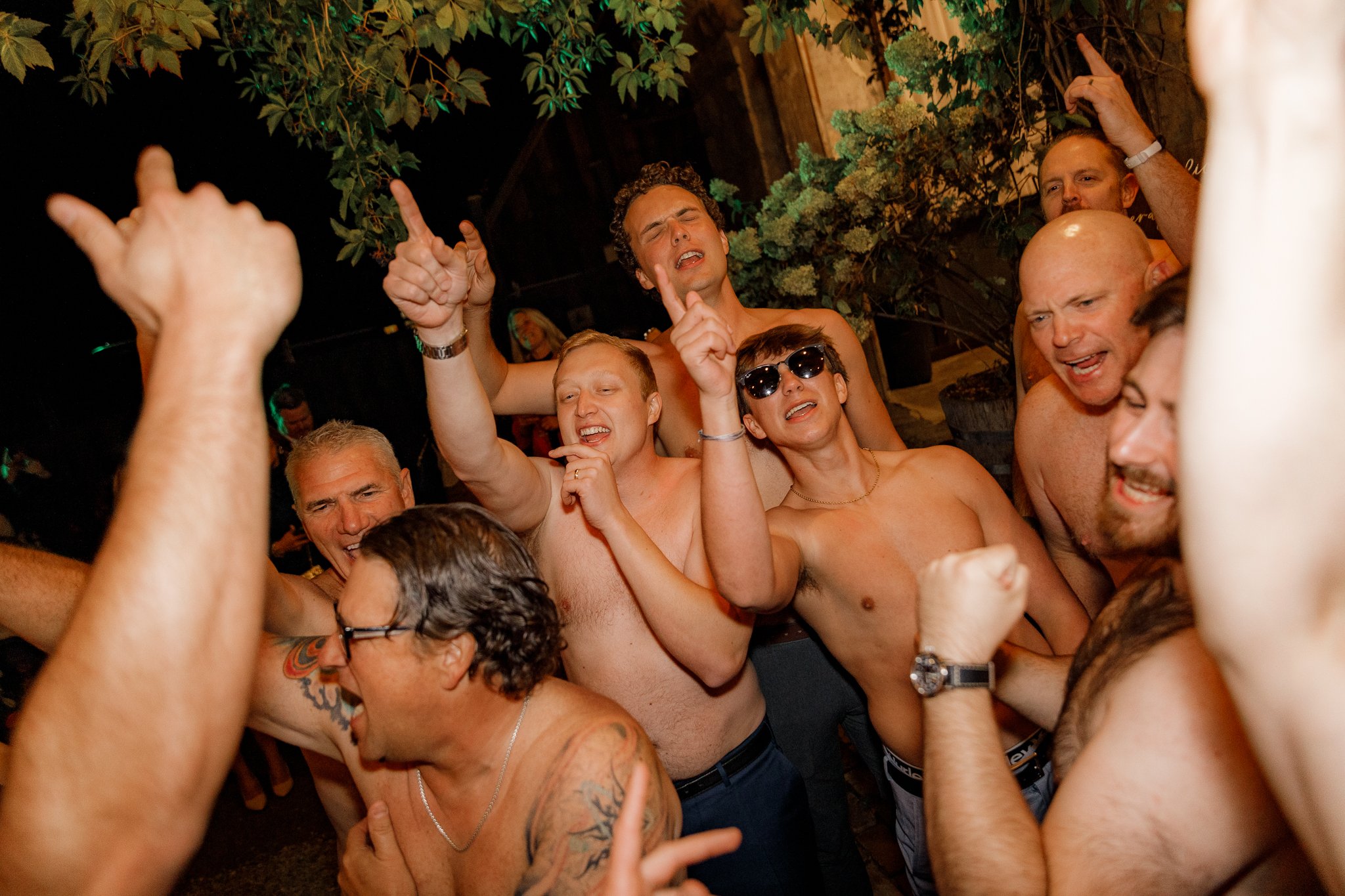
Reception lighting is less about perfection and more about atmosphere.
This is where things get:
Moody
Energetic
Real
I use a mix of:
Ambient light
Flash (when needed)
Creative angles
The goal? Preserve the vibe while still capturing the moment clearly.
Film vs Digital: How Lighting Plays a Role
If you’re considering adding film to your wedding coverage, lighting becomes even more important.
Film thrives in:
Soft natural light
Golden hour
Balanced exposure
It struggles more in:
Low-light receptions
Mixed lighting conditions
Seasonal Lighting in Seattle
Lighting changes dramatically depending on the season.
Summer Weddings
Long golden hours
Late sunsets (8–9pm)
Bright, warm tones
Fall Weddings
Softer light
Earlier sunsets
Rich, moody tones
Winter Weddings
Very limited daylight
Indoor-heavy lighting
Cozy, intimate vibes
Spring Weddings
Unpredictable weather
Soft, diffused light
Fresh, airy tones
Planning around your season can completely shift the look and feel of your photos.
What You Can Do to Get Better Lighting
Here’s the part that matters most, what you can control.
1. Trust Your Photographer
You don’t need to understand lighting deeply, you just need to trust someone who does.
I’ll guide you into the best light without making anything feel overly posed.
2. Build Your Timeline Around Light
Even small shifts (like 30 minutes) can make a huge difference.
3. Choose the Right Spaces
Prioritize natural light when possible, especially for getting ready and portraits.
4. Make Time for Golden Hour
Even 10–15 minutes can change everything.
5. Stay Flexible
Especially in Seattle—embracing the weather often leads to the most beautiful, unexpected moments.
The Truth About “Perfect” Lighting
Here’s something I want every couple to know:
Perfect lighting doesn’t exist.
What matters is how it’s used.
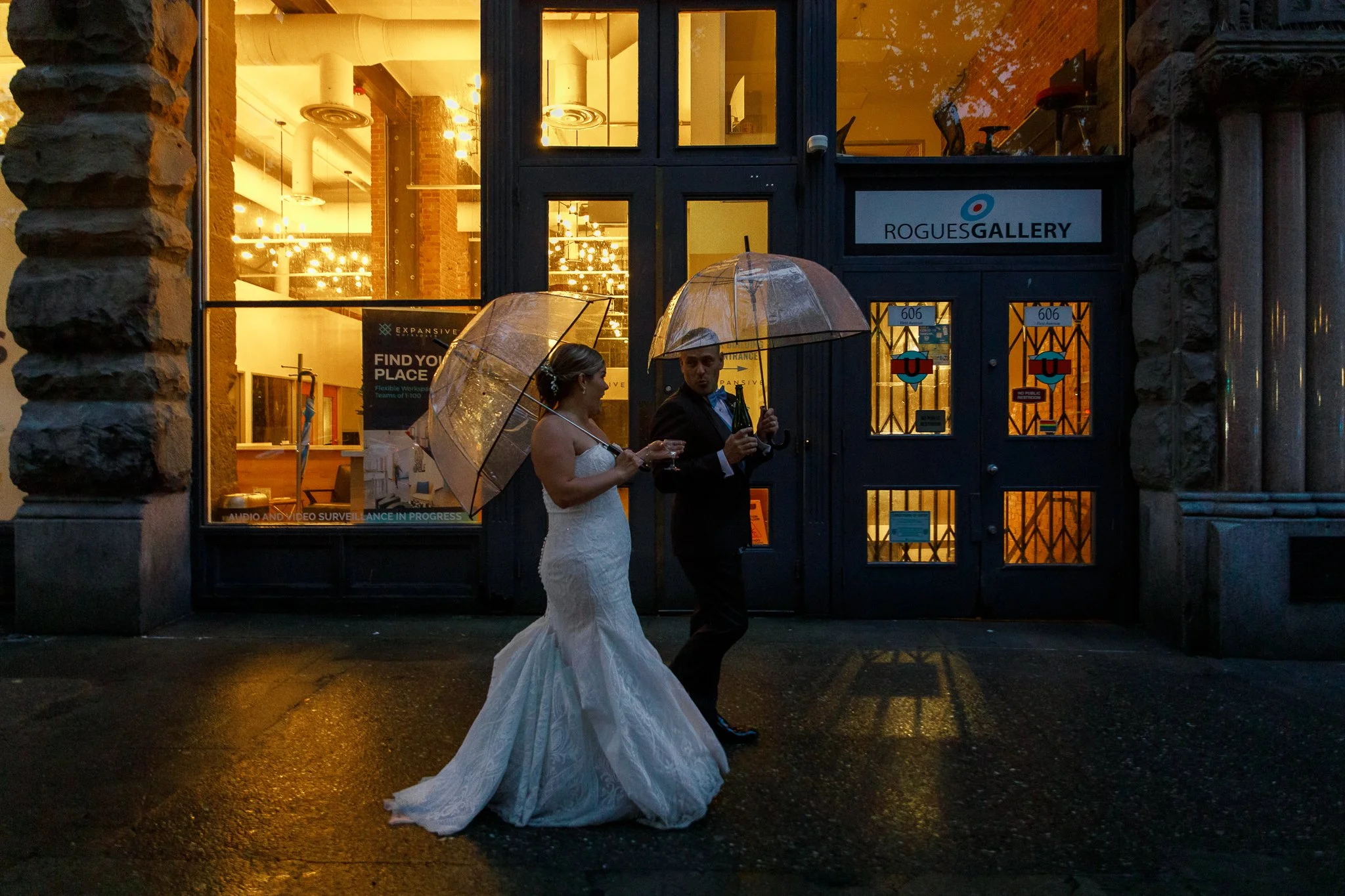
Some of the most emotional, meaningful photos happen in imperfect lighting—because the moment matters more than the conditions.
My approach to wedding photography is about documenting your day as it naturally unfolds, while quietly guiding you into your best light.
Nothing forced. Nothing overly posed.
Just honest storytelling that feels like you.
Final Thoughts
Lighting is one of the most powerful elements in your wedding photos—but it doesn’t have to be something you stress over.
When your timeline, venue, and photographer are aligned, everything flows naturally.
And that’s where the magic happens.
Ready to Create Something That Feels Like You?
If you’re planning a wedding in Seattle or the Pacific Northwest and want photos that feel natural, intentional, and true to your story—I’d love to connect.
You don’t need to know everything about lighting.
That’s my job.
Reach out here:
www.vow.house/contact
Seattle wedding photographer, Seattle wedding photography, Pacific Northwest wedding photographer, wedding lighting tips, natural light wedding photography, golden hour wedding photos, wedding photography Seattle WA, wedding photo lighting, indoor wedding photography lighting, outdoor wedding photography Seattle